How Colorado’s Front Range Weather Affects Your Exterior Paint in Boulder and Longmont
Colorado’s Front Range offers some of the most beautiful views in the country, but its climate puts your home’s exterior paint to a serious test. Between intense sun, dramatic temperature swings, hail, and dry air, exterior surfaces here endure far more wear and tear than in milder regions. If you have watched your paint fade or peel sooner than expected, the weather is likely the culprit. Here is how Colorado weather affects your exterior paint in Boulder and Longmont, and what homeowners can do about it.
Why Colorado’s Climate Puts Your Exterior Paint to the Test
The Front Range climate can be tough on any home exterior. High altitudes, abundant sunny days, and variable weather combine to accelerate paint deterioration in ways that surprise many newcomers.
How the Front Range Weather Challenges a Home Exterior
At higher altitudes, the atmosphere offers less protection from the sun, so your siding, stucco, and trim absorb stronger UV rays every day. Add sudden temperature changes, occasional hail, and long stretches of dry conditions, and exterior materials face constant stress. Every one of these forces chips away at a paint job over time, which is why quality exterior house painting matters so much along the Front Range.
Why This Climate Can Be Tough on Every Homeowner
Homeowners often notice paint problems appearing sooner here than they did elsewhere. A coating that might last a decade in a mild climate can show wear in just a few years along the Front Range. Understanding why helps you protect your home and plan your next paint job wisely.
The Weather Forces That Wear Down Your Exterior Paint
Several distinct forces work against your exterior coatings. Knowing each one explains why Colorado paint jobs demand quality products and proper application.
High-Altitude UV and Why Paint Colors Fade
Colorado’s high altitude means intense, constant sun exposure. UV rays break down the pigment in exterior paint, causing colors to fade and surfaces to chalk. South and west-facing walls take the hardest hit, since they receive the most direct Colorado sun throughout the day.
That is why south and west-facing exterior surfaces often fade first. High-quality exterior paint with UV-resistant pigments holds its color far longer than budget alternatives.
Temperature Swings, Hail, and a Dry Climate
The Front Range sees dramatic temperature swings, sometimes shifting 35°F or more between morning and afternoon. As surface and air temperatures change, siding and trim expand and contract repeatedly. That constant expansion and contraction stresses the coating and leads to hairline cracks, loose paint, and eventual peeling.
Hail adds physical damage, chipping paint and exposing the surface underneath. Meanwhile, Colorado’s dry climate can pull moisture from certain materials and reduce paint adhesion. Once cracks form, moisture finds its way in, and paint damage spreads.
How Long Does Exterior Paint Last in Colorado?
Homeowners often ask how long exterior paint lasts in Colorado. The honest answer is that it depends on paint quality, application, and sun exposure, but most homes need repainting sooner here than in gentler climates.
Signs It’s Time to Repaint Your Home Exterior in Longmont
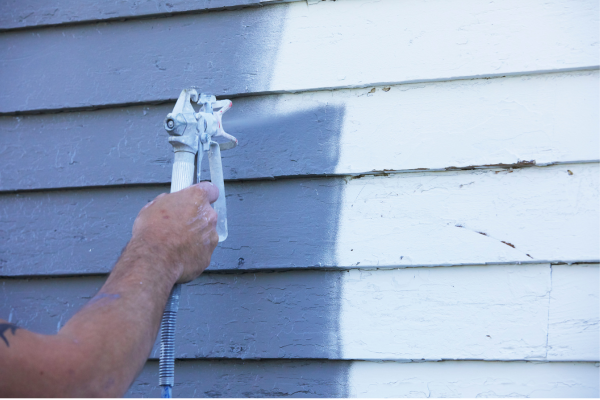
Watch for the warning signs. Faded or chalky color, peeling paint, hairline cracks, and areas where the coating no longer protects the surface all signal that repainting is due. Mildew or bare spots on siding and stucco point the same direction.
Catching these problems early matters. A fresh coat applied on time protects the surface underneath, while ignoring the signs invites more extensive repairs down the road. A high-quality exterior paint job in Longmont typically lasts several years, though south and west-facing walls may need attention first.
What Front Range Weather Does to Decks and Fences
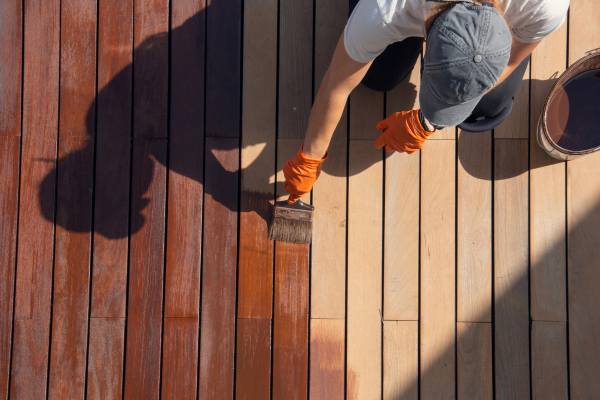
Your decks and fences face even harsher exposure than your walls. These horizontal and freestanding surfaces take direct sun, rain, and hail with little shade, so stain and paint break down faster there. Wood decks especially need regular attention, since UV and moisture together cause graying, cracking, and deterioration. Keeping up with deck and fence painting protects the wood before the damage spreads.
Refreshing the stain or coating on decks and fences protects the wood and keeps your whole home exterior looking its best.
Protecting Your Exterior House Painting Against Colorado Weather
The good news is that the right approach makes exterior paint last far longer, even along the demanding Front Range. Protection starts with the right products. Durable, high-quality exterior coatings, including acrylic and elastomeric options built to expand and contract with temperature swings, stand up to Colorado’s climate far better than standard paint.
Proper preparation matters just as much. Thorough prep work, including cleaning, sanding, caulking, and priming, ensures strong adhesion so the coating bonds tightly to siding, stucco, or fiber cement. When painting begins on a well-prepared surface, the finish resists fading, peeling, and cracking for years longer.
Because Colorado’s variable weather is so demanding, professional exterior painting makes a real difference. Experienced painters know which products perform best at high altitude, how to time a painting project around temperature and moisture, and how to apply coatings for maximum longevity. That expertise protects your investment and spares you from repainting sooner than necessary. To learn more about durable residential and commercial painting services along the Front Range, reach out to TradePro Painting.