Signs Your Home’s Drywall Needs Repair Before Repainting in Northglenn and Golden
A fresh coat of paint transforms any room, but it cannot hide damaged drywall underneath. Cracks, stains, dents, and uneven surfaces only stand out more once the new paint dries. Before you start any painting project in your Northglenn or Golden home, it pays to inspect your walls and ceilings closely. Here are the signs your drywall needs repair before repainting, and why fixing it first makes all the difference.
Why Drywall Repair Matters Before Any Interior Painting Project
Paint follows the surface beneath it. If your drywall has cracks, holes, or bumps, a new coat of paint highlights every flaw rather than covering it. Repairing drywall before interior painting begins gives you a smooth, sound surface, so the finish looks flawless and lasts. Skipping this step leads to peeling paint, visible seams, and expensive repairs down the road. Addressing drywall damage first protects both your home’s appearance and its structure.
5 Signs Your Drywall Needs Repair Before Repainting
Watch for these five warning signs. Each one tells you the drywall needs attention before your next painting project.
Hairline Cracks and Larger Cracks in Walls and Ceilings
Cracks are the most common signal. Small hairline cracks often appear from normal temperature fluctuations and settling, while larger cracks in walls or ceilings can point to structural movement behind the wall. Recurring cracks that return after patching deserve a closer look, since they may reveal a deeper issue. Either way, filling and sealing cracks properly gives paint a stable surface.
Peeling, Bubbling, or Uneven Surfaces
Peeling paint, bubbling, and uneven surfaces show that the drywall or a previous paint job has failed. Bubbles often trap moisture or result from poor initial preparation, and painting over them simply repeats the problem. Dents, nail pops, and bumpy patches also create uneven surfaces that a new coat of paint will only emphasize.
Water Stains and Discoloration on Walls and Ceilings
Brown or yellow water stains and discoloration on walls or ceilings warn of water intrusion. Water-damaged drywall weakens over time and can lead to mold growth if you ignore it. Before you paint, find and fix the source, then repair the affected sections. Painting over a water stain never works, since the discoloration bleeds through the new coat.
Sagging Drywall and Damaged Popcorn Ceilings
Sagging or spongy drywall signals serious trouble. Moisture, failed drywall fasteners, or damage behind the wall can weaken drywall until it bows or feels soft to the touch. Popcorn ceilings that sag, flake, or show stains need attention too. These issues require professional repair to restore a safe, solid surface before any paint goes on.
Damage Around Doors and Windows
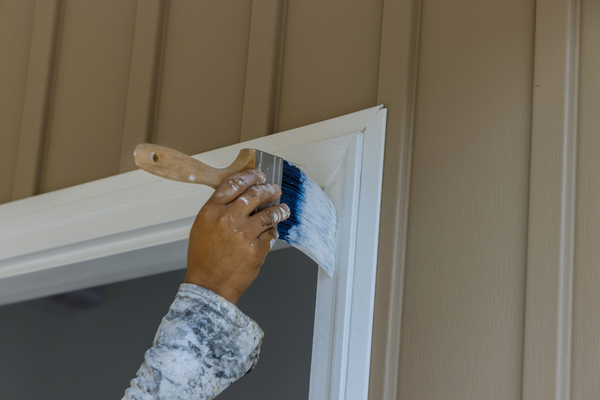
Doors and windows take constant use, so the drywall around them often shows cracks, dents, and worn corners. Gaps where the wall meets the frame can also indicate movement or improper sealing. Repairing this wear and tear ensures clean, plumb edges that frame each opening neatly once you repaint.
How Texture Problems Affect Your Repaint
Damage is only half the story. Texture matters just as much when you want a seamless result.
Matching Orange Peel, Popcorn, and Other Textures
Most walls and ceilings carry a texture, whether orange peel, knockdown, or popcorn. When you repair a section, the new drywall and joint compound must match the surrounding texture, or the patch stands out under fresh paint. Matching orange peel and other textures takes skill and the right technique. A poor match leaves visible patches that no amount of paint can disguise, which is exactly why texture work belongs in expert hands.
Why Professional Drywall Repair Delivers a Flawless Finish
Drywall repair looks simple, but a flawless finish depends on doing it right. Professional drywall contractors read the full extent of the damage, address the root cause, and blend repairs seamlessly into the existing surface.
Combining Drywall and Painting for the Best Results
Combining drywall and painting under one experienced team delivers the best results. When the same professionals handle both the repair and the interior painting, they prep every surface properly, match textures precisely, and prime repaired areas so the paint absorbs evenly. That coordination gives you smooth walls, invisible seams, and a finish that lasts far longer than a rushed patch and paint job.
Handling Your Drywall Repair Needs Before You Repaint
The smartest approach is to handle your drywall repair needs before painting begins. Walk through each room and look for the warning signs above: cracks, peeling, stains, sagging, and damage around doors and windows. Catching these issues early prevents further damage and saves you from more expensive repairs later, since drywall problems only worsen over time.
Repair the drywall first, and your next coat of paint will look flawless, protect your home, and last for years to come.