How Concrete Garage Floor Coatings Hold Up Through Thornton and Westminster Winters
Colorado winters test everything, and your garage floor is no exception. Between freezing temperatures, road salt, and constant snowmelt, a bare concrete floor takes a real beating from December through March. A quality garage floor coating changes that story, protecting your concrete surface through the toughest months of the year. Here is how concrete garage floor coatings hold up through Thornton and Westminster winters, and what Colorado homeowners should know before starting a floor coating project.
Why Colorado Winters Are Tough on a Garage Floor
Colorado’s climate is uniquely hard on concrete. The combination of cold temperatures, moisture, and chemicals wears down an uncoated floor faster than many homeowners expect.
How Cold Weather and Freeze-Thaw Stress Bare Concrete
Freeze-thaw cycles are the biggest threat. When temperatures dip below freezing overnight and climb back up during the day, water trapped in concrete freezes and expands, then thaws and contracts. This constant expansion and contraction stresses the concrete surface and leads to cracks over time. Along the Front Range, temperatures can cross the freezing mark repeatedly in as little as one day, so bare concrete faces this pressure again and again all winter.
What Salt, Snowmelt, and Moisture Do to an Uncoated Floor
Your tires drag in road salt, snowmelt, and de-icing chemicals every time you pull into the garage during the winter months. That salty moisture soaks into an uncoated floor, leaving salt stains and slowly breaking down the surface. Over time, salt and chemicals eat away at concrete, worsening cracks and leaving your floor pitted and discolored.
How a Durable Concrete Coating Protects Your Garage
A durable concrete coating seals the surface and shields it from everything winter throws at it. Understanding how it works shows why it matters so much in cold climates.
The Role of a Garage Floor Coating in Cold Climates
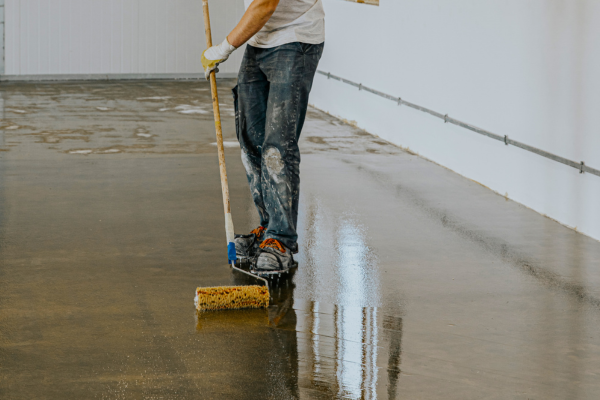
A garage floor coating creates a hard, sealed barrier over your concrete. That barrier blocks moisture, salt, and chemicals from reaching the surface, so snowmelt simply beads up instead of soaking in. A quality coating also resists stains and cleans up easily, and many options are slip-resistant, which adds safety when you track in snow and ice. To protect your concrete properly, the right coating makes all the difference, much like a durable exterior coating protects a home’s siding from the same harsh weather.
Why a Coated Floor Handles Extreme Temperatures Better
A coated floor flexes and holds up under extreme temperatures far better than bare concrete. Because the coating seals out water, freeze-thaw cycles cannot work moisture into the surface, which prevents the cracking and flaking that plague uncoated floors. The result is a long-lasting, durable garage floor that survives Colorado’s temperature swings season after season.
Comparing Garage Floor Coatings for Colorado’s Climate
Not every coating performs the same in cold weather. Choosing the right coating depends on how it cures and how it stands up to Colorado’s climate.
How Epoxy Floor Coatings Perform in Cold Weather
Epoxy coatings create a hard, attractive, durable epoxy garage floor that resists stains and abrasion. The catch is curing time. Traditional coatings like epoxy need warmer conditions to cure properly, often a minimum temperature around 50°F, and they take days to fully harden. Applied in temperatures that are too cold, an epoxy floor may not bond well and can peel later. That makes pure epoxy a better fit for warmer months in Colorado.
Why Polyurea Coatings Excel in Cold-Weather Conditions
Polyurea and polyaspartic coatings excel where epoxy struggles. These coatings cure quickly, even in colder temperatures, and many polyurea coatings tolerate winter applications that epoxy cannot handle. They offer excellent adhesion, resist salt and chemicals, and often cure in a single day. For Colorado’s cold-weather conditions, polyurea and polyaspartic garage floor solutions are among the most durable and reliable choices available.
What Colorado Homeowners Should Know Before Coating a Floor
A little planning helps your floor coating project succeed and last for years.
Should You Wait Until Spring, or Coat Year-Round?
Timing depends on the coating. If you choose epoxy, waiting until the weather warms in spring or summer gives the coating the temperatures it needs to cure properly. If you prefer to coat year-round, polyurea and polyaspartic options make winter applications possible thanks to their cold-weather performance. Either way, a professional coating team can advise the right approach for your garage and the season.
Expert Tips for a Long-Lasting Garage Floor Coating
A few expert tips keep your newly coated floor looking great for years. Rinse away salt and snowmelt regularly so residue never builds up on the coated surface. Clean up spills promptly, and use gentle cleaners rather than harsh chemicals. Most importantly, rely on proper surface preparation and professional application, since even the best coating fails without a clean, properly prepped concrete surface underneath.
Because Colorado’s winters are so demanding, professional installation makes the biggest difference in durability. Experienced crews know which coating suits your climate, how to prep the concrete, and how to time the work for a lasting finish. To learn more about durable coatings and professional painting and coating services in Thornton and Westminster, connect with the team at TradePro Painting.
With the right coating professionally applied, your garage floor can shrug off salt, snowmelt, and freeze-thaw cycles and stay strong through every Colorado winter.