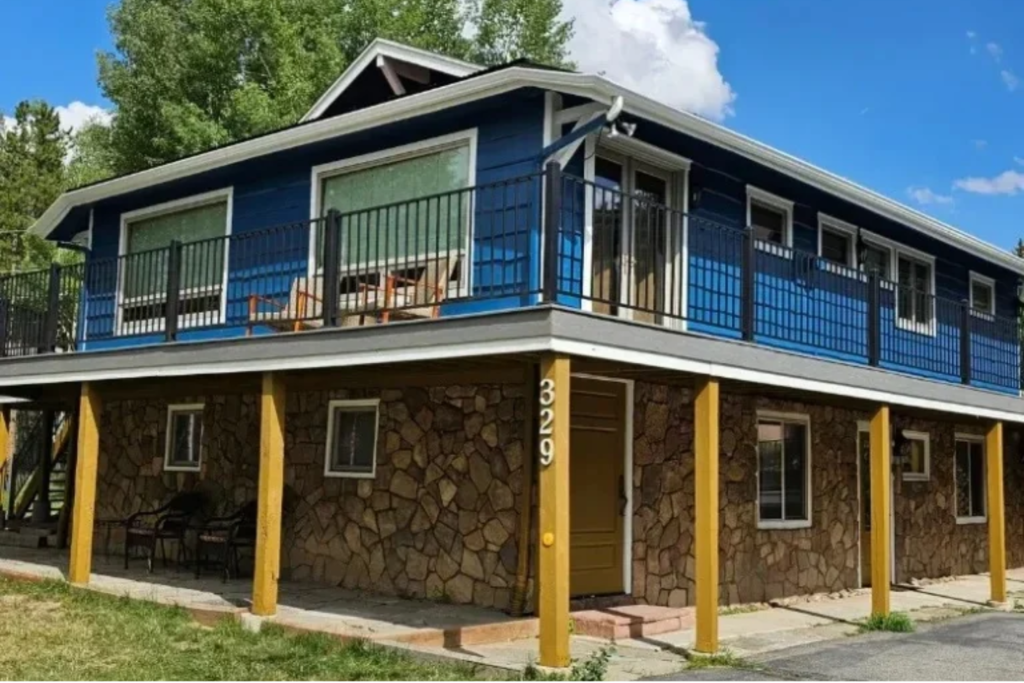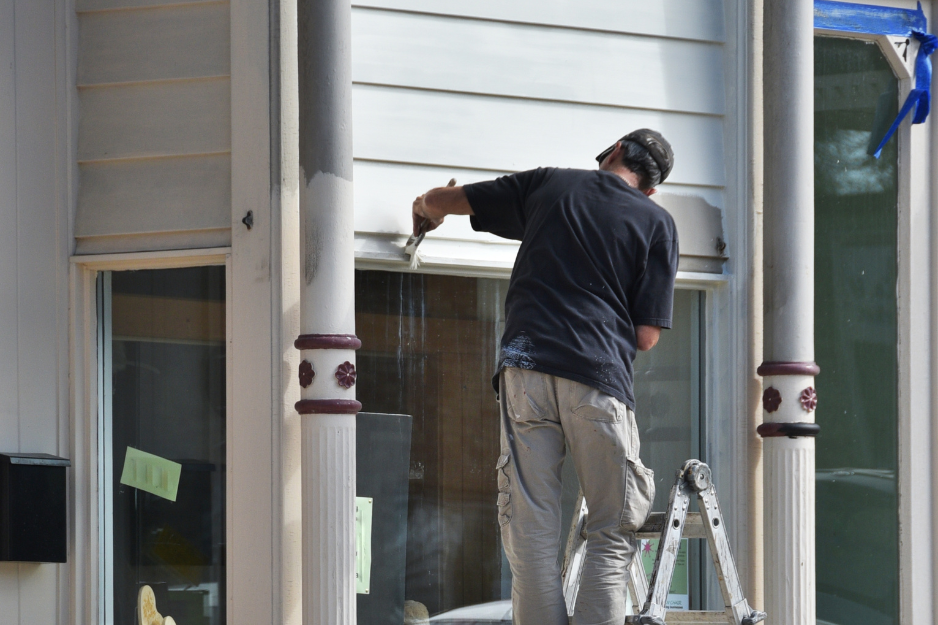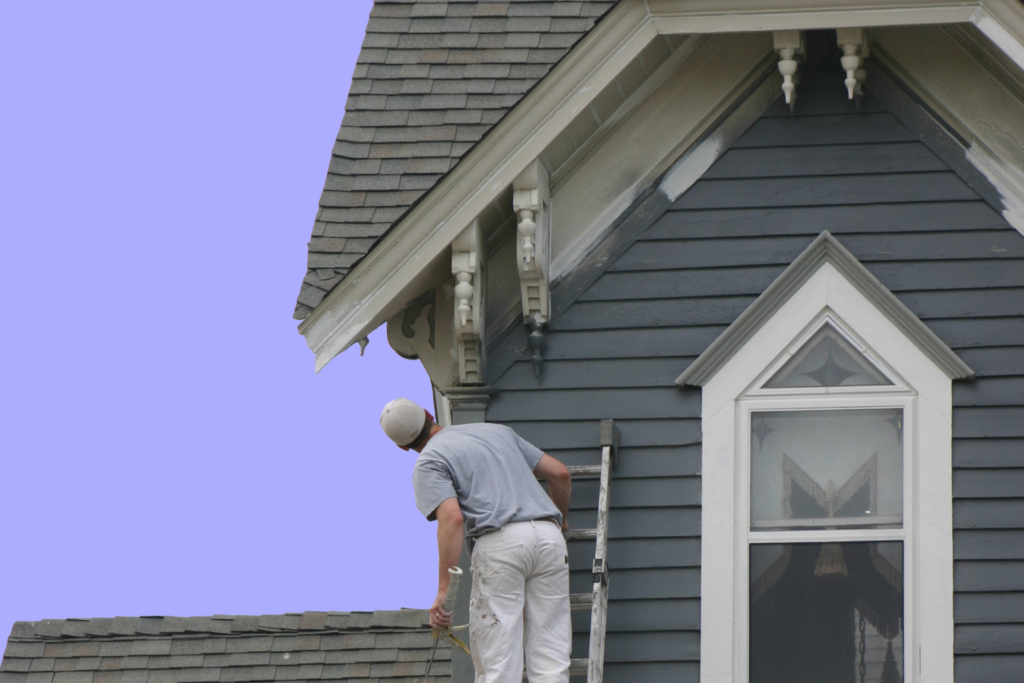
What Your HOA Expects Before You Paint Your Home’s Exterior in Colorado
You found the perfect paint color, booked a crew, and then a letter arrives from your homeowners association. In many Front Range neighborhoods, that letter shows up before the paint does. If you own a home in an HOA community in Colorado, this guide breaks down what your association expects before exterior house painting begins, so you win approval the first time.
Do You Need HOA Approval to Repaint Your Exterior?
Yes, in almost every case. You need HOA approval before any exterior paint goes on your home, even for a project that seems routine. HOAs typically require written approval first, and the rules come from documents you agreed to when you bought the property. Each covenant in those documents runs with the land, which means it binds every owner, not just the one who signed it.
Why Repainting the Same Color Still Counts
Most associations require approval even when you keep the same color. Your HOA paint records may not match what sits on your walls today: a previous owner may have repainted without permission, and years of sun can fade a coating until chalk rubs off on your hand. A repaint also gives the association a chance to confirm the color comes from the approved list. Since exterior paint in Colorado lasts roughly 7 to 10 years, the board cannot assume the shade on your siding is still an approved color.
What Colorado Law Says About an HOA’s Authority
Colorado’s CCIOA statute requires an association to follow its own governing documents when it reviews a request, and it bars decisions that are arbitrary or capricious. The law sets no universal approval deadline, and a missed review period does not automatically approve your project. Any timeline, appeal right, or deemed approval rule comes from your community’s own documents. If a denial looks arbitrary, an expert who specializes in real estate law can review it. This post offers general information, not legal advice.
Where to Find Your HOA Painting Rules
Start with three documents: the declaration of covenants, also called CC&Rs, the bylaws, and the architectural or design guidelines. The CC&Rs establish the covenant itself, while the guidelines hold the practical details: approved palettes, sheen rules, and the application form. Many associations also post frequently asked questions and an HOA color archive online, which lists every color the committee has approved in the past. Direct questions regarding the painting schedule to your property manager, who can send current copies on request.
How the ARC Approval Process Works, Step by Step
The architectural review committee evaluates every request against the covenants and architectural standards. ARC approval follows a predictable pattern: you submit an application, the committee reviews it, and you receive a written decision.
What a Complete Application Includes
Most applications ask for the manufacturer color name and code, color samples or paint chips, photos of the surfaces you plan to paint, and your painter’s contact information. Some HOAs keep vendor lists of licensed home repair pros and painters, and naming a contractor from that list can speed the review. Incomplete applications are the number one cause of delays, so include everything the form requests the first time.
How Long Review Takes, and Why to Start Early
Review periods vary by association, but many committees respond within 30 to 60 days. That window matters because Colorado’s painting season is short. If you want the work done during the best time for exterior painting, submit the application in winter or early spring. Waiting until May often pushes the project past the season entirely.
Choosing an Exterior Color Your HOA Will Accept
Why the Exact Color Name Matters
Approval usually hinges on the exact color, not a similar shade. Committees compare your request against the palette by manufacturer, product line, name, and code, because a color that looks identical in the store can read differently on your siding under Colorado sun. Product quality matters too: premium lines from Sherwin-Williams can run $165 per gallon, and HOA exterior guidelines often specify them because the right product extends paint life at altitude.
Trim, Doors and Accent Colors Get Extra Scrutiny
The body color gets most of the attention, but trim, doors, and any accent color face stricter review. A deep red door against a neutral body counts as a color change, and the committee will notice. List every color on the application, including the front door and garage door.
If You Live in an HOA Condo Community, Who Controls the Paint?
If you live in an HOA condo community, the answer changes. The association usually owns and maintains the exterior, and it schedules painting through its budget and reserve study rather than owner requests. You typically cannot repaint your unit’s siding on your own. What you can often request is a front door color or another limited change within the association’s palette. If you live in a condo community, ask the manager which surfaces fall under your control before you plan anything.
What to Do When Your HOA Denies the Request
The Most Common Reasons Requests Get Rejected
Denials usually trace back to a few causes: a color outside the approved list, an incomplete application, missing color samples, or a request that clashes with neighboring homes. A denial is not the end of the process.
How to Respond, Resubmit, or Appeal
Ask for the reason in writing and document all communications. If you have explored various options and the committee still says no, request the appeal process named in your governing documents and resubmit within the stated timeline. Decisions must follow the HOA’s own rules, so a second request that documents everything often succeeds where the first one failed.
What Happens If You Paint Without Approval
Painting without prior approval is the most expensive path. The association can issue a violation notice, levy fines, and order you to repaint the home in an approved color at your own expense. Colorado courts generally enforce covenants that an association applies consistently, and the cost of a second full repaint dwarfs the cost of waiting for a letter.
HOA rules exist to protect property values, and they work best when the paperwork comes first. Read your documents, submit a complete application, then schedule the work with a crew that understands exterior painting in Colorado.