How Hail Damage Affects Your Home’s Exterior Paint (and When to Repaint)
A Front Range hailstorm can pass in twenty minutes and still leave lasting marks on the outside of your home. While dented gutters get the attention, the bigger risk sits on your walls. Hail breaks the paint film that shields your siding, and once that barrier fails, moisture and sun start working on the material underneath. Knowing what hail does to exterior paint, and when the damage calls for a repaint, helps you act before small chips become expensive repairs.
What Hail Actually Does to Exterior Paint
Hail hurts paint in two ways: the immediate damage you can see, and the slower failure that follows over the next few months.
Chips, Cracks, and Bubbling Paint After a Storm
Large hailstones strike siding with real force. On painted wood, they leave chips that expose bare material. On brittle coatings, they create hairline cracks that are easy to miss from the ground. Bubbling paint can also appear weeks later, when moisture gets trapped underneath the paint film through those small openings and lifts it from the surface.
Why Small Dents Turn Into Peeling Paint Later
A chip the size of a pencil eraser looks harmless, but it gives water a direct path into the siding. Every freeze-thaw cycle through winter widens the opening, and peeling paint spreads outward from each entry point. What started as cosmetic damage becomes a coating failure across the exterior of your house.
How Hail Affects Different Siding Materials
Hail does not treat every surface the same, and the material on your home changes both the damage pattern and the response.
Wood and Fiber Cement: Where Damage Shows Fast
Wood siding absorbs the impact by denting and splitting, and chipped paint leaves raw wood exposed to rain and direct sunlight. Left alone, that exposure leads to wood rot. Fiber cement resists dents better, but its paint film can still crack at the impact point, which opens the same door to water infiltration.
Stucco and Vinyl: Cracks That Hide Under the Surface
Stucco often hides the worst damage. Hail can crack the brittle surface or knock holes in your siding that look minor but admit water behind the wall. Vinyl siding dents and can fracture in cold weather. On both materials, signs of damage show up slowly, which is why a close inspection matters after any significant storm.
Checking Your Home After a Hailstorm
You don’t need to climb a ladder to get a useful first read on the situation.
The Walls and Trim Worth a Close Look
Walk the perimeter and look at south- and west-facing walls first, since they took the brunt of the wind-driven hail. Check window trim, door frames, and the lower courses of siding, where stones bounce and strike twice. Look for chips, cracks, soft spots, and any place where the paint looks dull or disturbed.
When to Bring in a Professional Eye
Ground-level checks miss a lot. A painter can identify damage that will cause trouble later, even when the surface still looks acceptable from the driveway. If your neighborhood took a direct hit, it makes sense to hire a professional for a full assessment before you decide anything about repainting.
Touch-Up or Full Repaint: Making the Call
This is the decision the storm leaves you with, and two factors drive it: how widespread the damage is, and how old the existing paint job is.
When Spot Repairs Are Enough
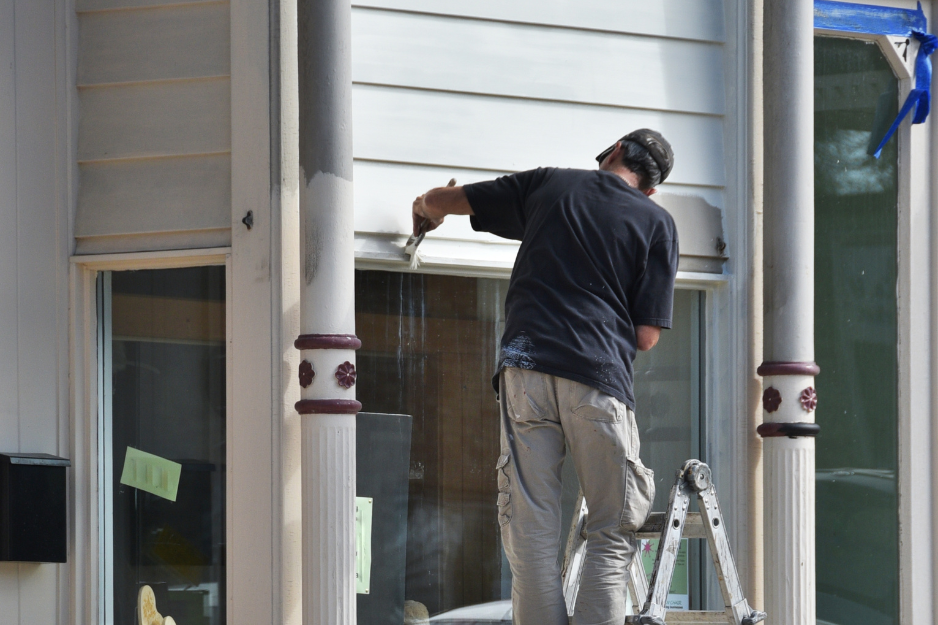
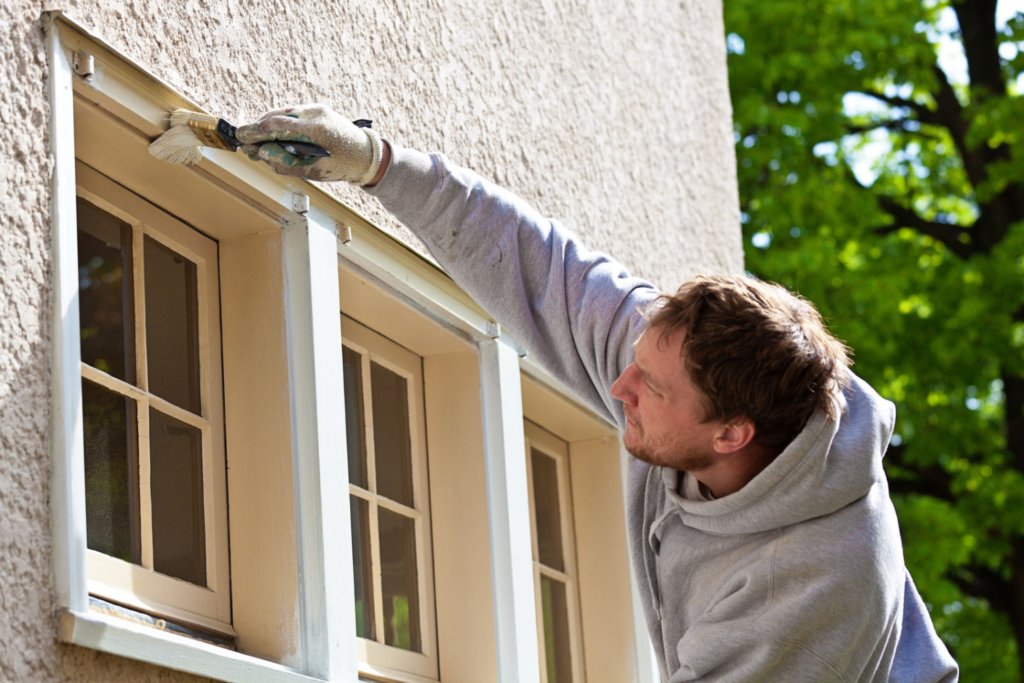
If hail left a handful of chips on otherwise sound paint that is only a few years old, spot repairs can work. A painter sands the damaged areas, spots primer on the bare material, and blends a new coat into the surrounding finish. The result protects your siding without the cost of a full exterior paint project.
When Hail Damage Calls for a Full Repaint
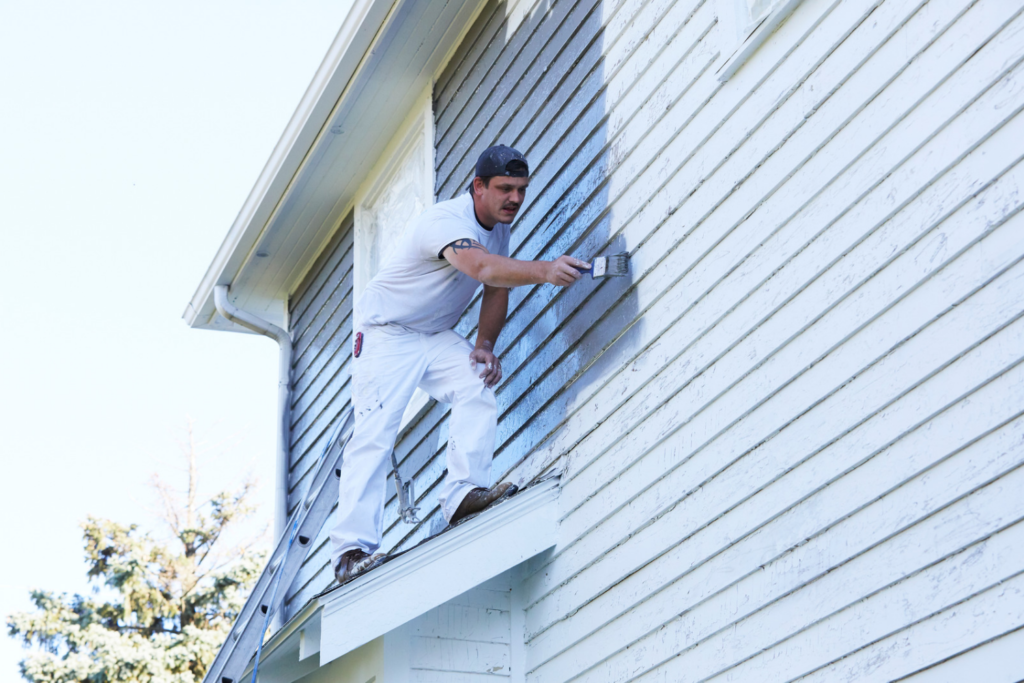
Widespread chipping, cracking across multiple walls, or paint that was already near the end of its lifespan all point to a full repaint. Patching an old, brittle coating rarely holds, because the next storm finds the weak spots around every repair. When damage covers more than a small fraction of the home, a complete job with proper prep work is the more durable investment.
Why Waiting Makes Hail Damage Worse
Delay is the costliest choice. Every month that chipped paint stays open, moisture works into the siding and temperature changes pry the damage wider. Water that reaches the sheathing threatens your home’s structural integrity, and repairs shift from a painting project to carpentry. Addressing these issues promptly is crucial, because the paint you postpone is the rot you invite. Colorado’s climate makes this timeline unforgiving, as Front Range weather is hard on exterior paint even without storm damage in the mix.
Protecting Your Home From Weather Damage Going Forward
Once your home is repainted, a few habits keep it that way. Choose paints rated for impact resistance and strong UV exposure, since the right type of paint handles hail country better than a builder-grade product. Walk the exterior each spring, and schedule any needed work during the best time for exterior painting along the Front Range, which runs from late May through June and again in late summer. Homeowners in hail-prone areas like Parker and Aurora know the pattern well, and regular inspections between storms keep small damage from growing. For a closer look at what a storm-ready exterior involves, see exterior painting in Colorado.