How Louisville Homes Handle Repainting After Years of Hard Colorado Winters
Louisville sits right at the base of the foothills, which means its homes take a full Colorado winter every single year. Freezing nights, sunny afternoon thaws, heavy snow piled against the siding, and bright, high-altitude sunlight all work on a house’s exterior. Over enough winters, that climate wears down even a good paint job until the coating stops protecting the home the way it should. Here is how hard Colorado winters affect exterior paint, what repainting a weathered home actually involves, and why preparation decides how long the next coat lasts.
How Hard Colorado Winters Affect Exterior Paint
Colorado’s weather is tougher on exterior paint than most people expect, and the damage builds slowly across many seasons. Understanding what the climate does helps explain why repainting here is less about color and more about protection.
The Freeze, Thaw, and Temperature Swings That Break a Coating Down
A Front Range winter day often starts below freezing and climbs well above it by afternoon, then drops back after sunset. Those temperature swings make the siding, trim, and the paint on top expand and contract again and again. Paint is flexible when it is new, but years of this freeze and thaw movement stiffen the coating until it cracks and loses its grip. Moisture then slips into each crack, freezes overnight, expands, and pries the gap wider. This is how a sound paint job slowly turns into paint failure.
How Snow, Moisture, and UV Wear the Surface Over the Years
Snow and moisture sit against siding and trim for days at a time, keeping the surface damp and testing every seal. At the same time, Colorado’s intense UV rays do their own damage. Strong sunlight at altitude breaks down the binder that holds paint together, so the finish fades, goes chalky, and loses its color on the sunny sides first. The weather exposure from both directions, wet from below and UV from above, leaves the exterior paint thin, faded, and no longer able to resist the next storm.
The Damage You See Before a Repaint
The signs of a worn coating are easy to spot once you know what to look for, and catching them early keeps a cosmetic problem from turning into an expensive repair.
Cracking, Peeling, and Faded Exterior Paint
The first clues show up on the surface. You see cracking, flaking, and peeling paint, bubbling along the siding, and faded, chalky color on the walls that face the most sun and weather. Caulking around windows pulls away and leaves gaps. These are the signs that the coating has reached the end of its lifespan and the home is due for a repaint.
When Moisture Intrusion Leads to Mold and Wood Rot
Once paint cracks and peels, the exposed wood underneath loses its protection. Moisture intrusion reaches that bare wood, and with Colorado’s damp winter conditions and poor ventilation in tight spots, it leads to mold and wood rot. At that stage, a repaint is no longer cosmetic. It protects the structure of the home and prevents the kind of expensive repairs that follow when rot spreads unchecked.
What Repainting a Winter-Worn Home Actually Involves
Repainting a home that has weathered years of hard winters is mostly about what happens before the first new coat goes on. The paint matters, but the preparation matters more.
Why Professional Preparation Matters More Than the Paint
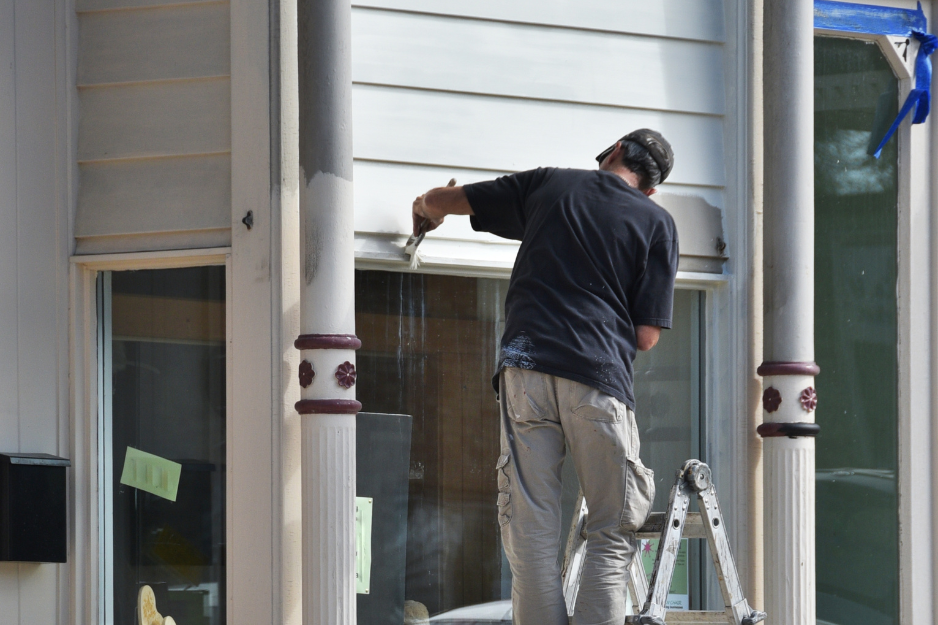
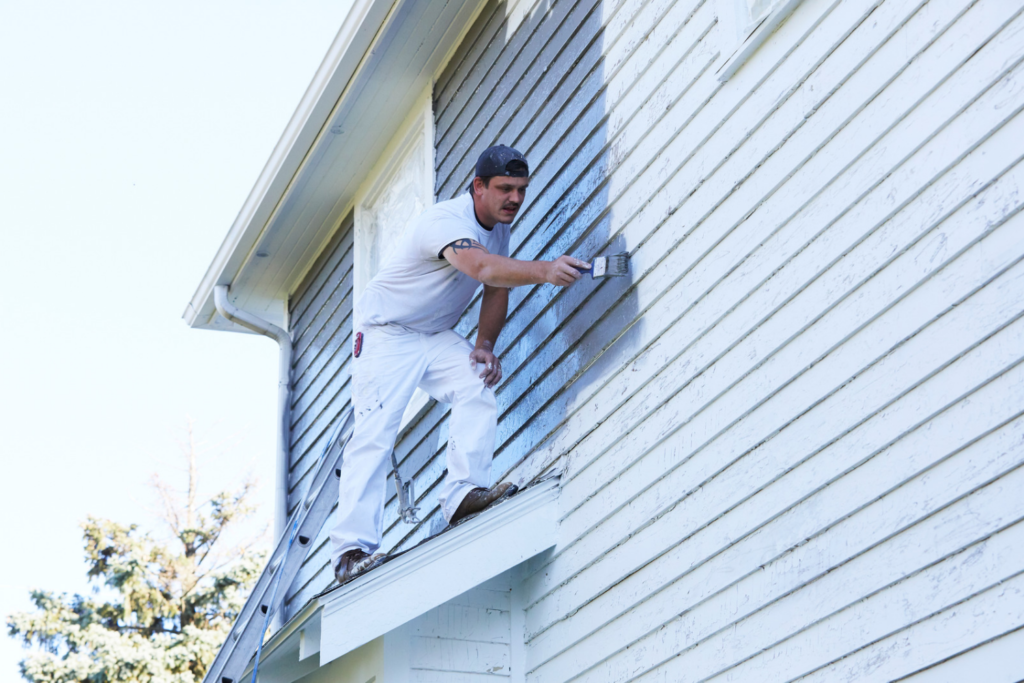
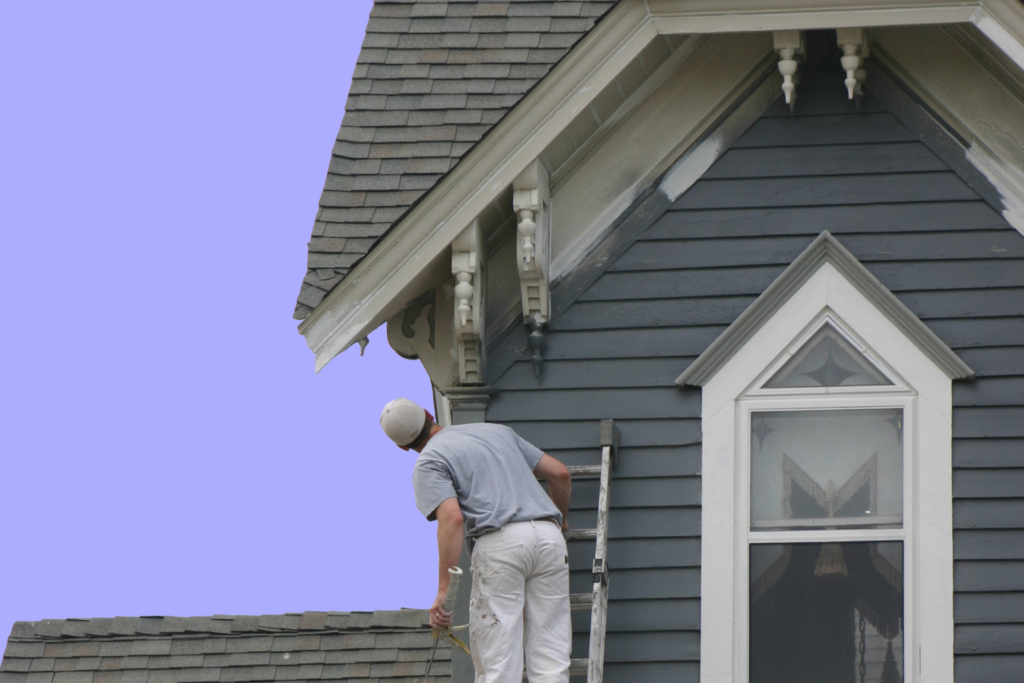
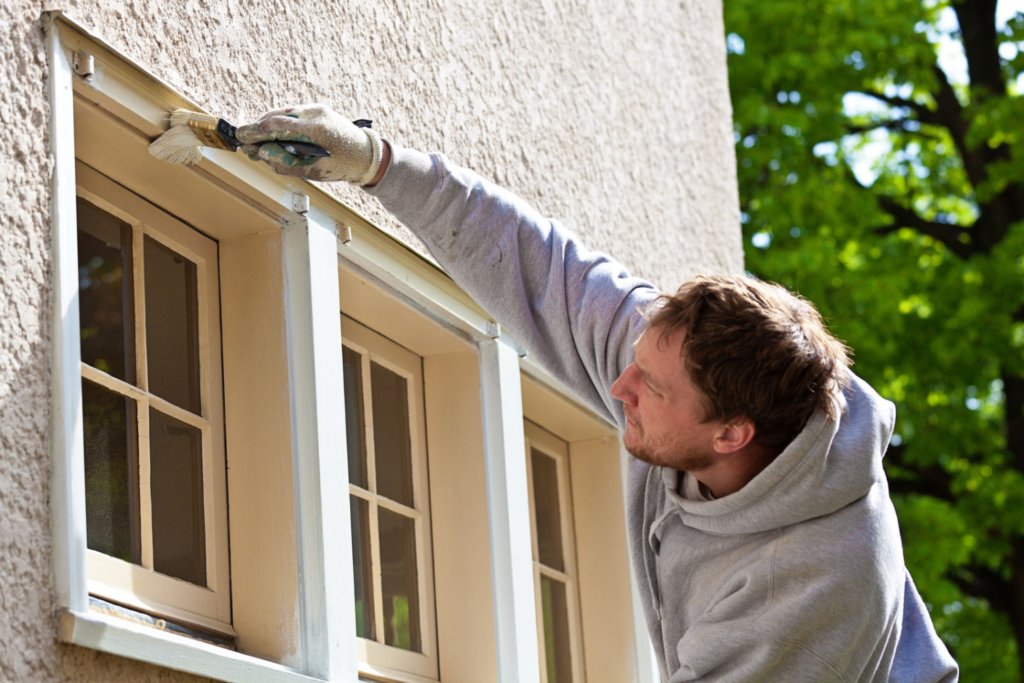
On a winter-worn home, prep work is the bulk of the job. Professional painters start with pressure washing to clear dirt and chalky residue, then scrape loose paint, sand rough edges, repair or replace any damaged wood, re-caulk gaps around windows and trim, and prime bare spots so the new coat has something sound to grip. Without proper preparation, even premium paint fails early because it cannot form good adhesion to a dirty or unstable surface. This professional preparation is exactly why a lasting exterior repaint holds up far better than a rushed DIY paint job, where skipped steps and the wrong timing lead straight back to peeling within a season or two.
How the Right Repaint Lasts Through the Next Colorado Winters
A repaint done right does more than refresh curb appeal. It seals the home against the same forces that wore the last coat down, so the finish lasts for years instead of months.
Surface Prep and Timing That Help Paint Last Longer
Thorough surface prep gives the new coating a clean, sound base, and timing does the rest. Painting in moderate temperatures, away from the coldest stretches and high humidity, lets the paint cure and bond properly so it stays flexible through the next freeze and thaw season. Quality exterior paint formulated for Colorado’s climate resists UV exposure and moisture, and that combination of good prep and the right conditions is what helps paint last longer against the weather that Colorado’s Front Range throws at it.
Protecting the Exterior and Interior Paint for Years to Come
A properly prepped and repainted exterior does more than look good. It seals the house so moisture cannot penetrate the walls, which protects the wood and even the interior paint from damage that starts on the outside and works its way in. With durable professional exterior painting, a Louisville home comes through the next round of hard Colorado winters looking new and staying protected, which is exactly what a house at the foot of the foothills needs.