How Golden’s Older Homes Hide Lead Paint and What That Means Before You Repaint
Golden is a town with real history, from the homes near Washington Avenue to the older neighborhoods tucked against the foothills. Much of that charm comes from houses built decades ago, and many of them hold something you cannot see behind their walls and trim: lead paint. A wall can look perfectly smooth and freshly colored and still contain lead underneath. The moment you decide to repaint, that hidden layer starts to matter. Here is why so many older homes in Golden hide lead-based paint, what the risk of lead exposure means before you repaint, and how the job gets done safely.
Why Golden’s Older Homes So Often Contain Lead Paint
Lead paint is one of the most common hidden hazards in older housing, and Golden has plenty of older housing. Understanding where it comes from makes the rest of the picture clear.
The 1978 Line and Golden’s Historic Housing Stock
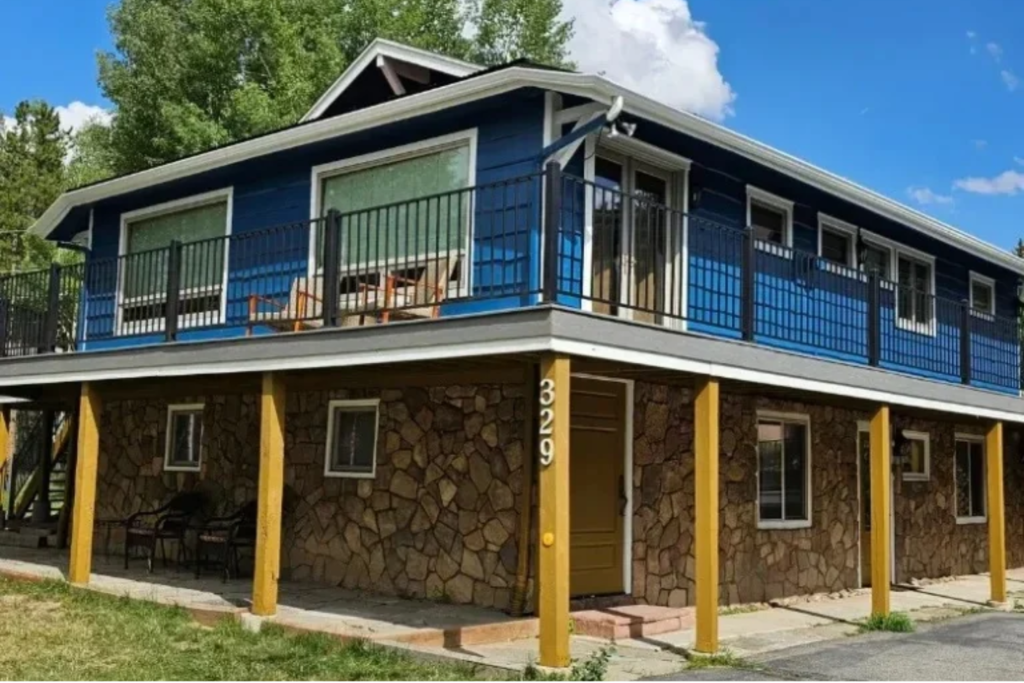
The EPA banned lead-based paint for residential use in 1978, so any home built before 1978 may well have lead in the paint somewhere. A good share of Golden’s housing stock predates that line, which means the odds that an older property has lead paint are high. If your house went up before the late 1970s, it is sensible to assume lead might be present until testing says otherwise.
How Lead Paint Hides Under Newer Coats
Lead paint does not disappear when someone paints over it. It sits sealed beneath later paint layers on walls, trim, window frames, and doors, stable and invisible as long as nobody disturbs it. This is exactly why paint in older homes can look spotless and still contain lead. The only sure way to know is a test, because the surface alone never tells you what the older painted surfaces are hiding underneath.
What Hidden Lead Paint Means the Moment You Repaint
Intact, painted-over lead sits quietly and poses little risk. A repaint changes that, because preparing a surface means disturbing it.
Why Scraping and Sanding Create the Real Risk of Lead Exposure
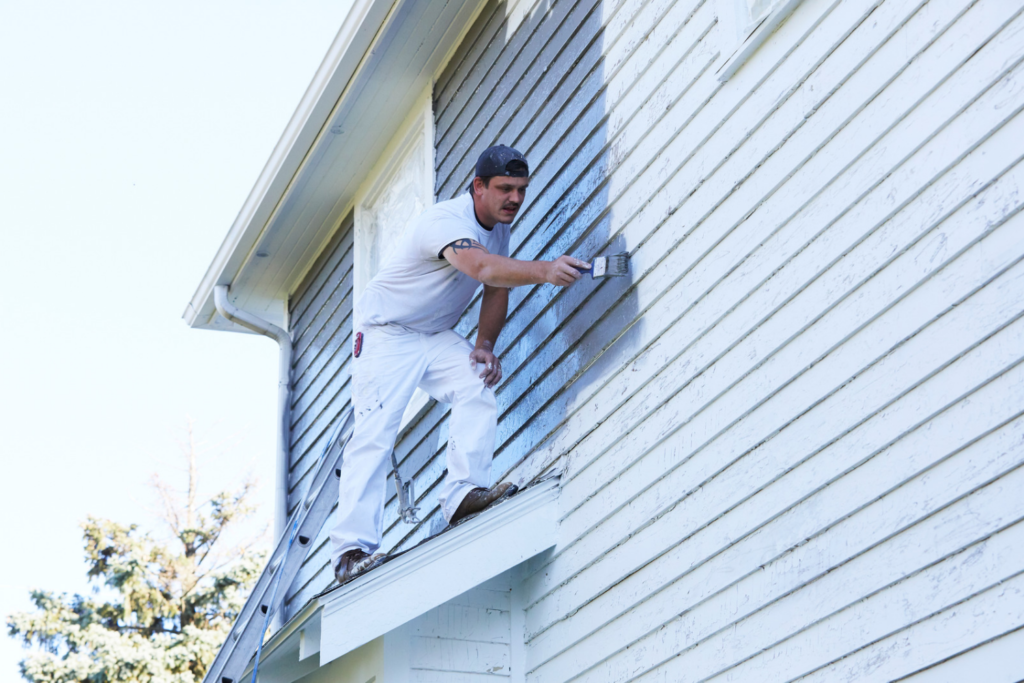
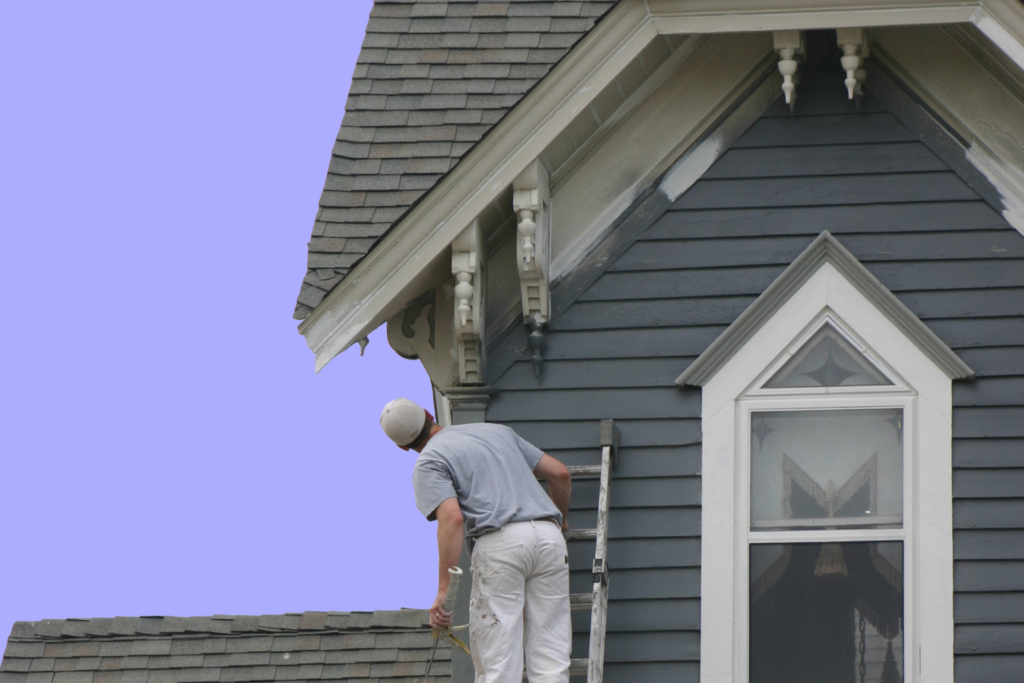
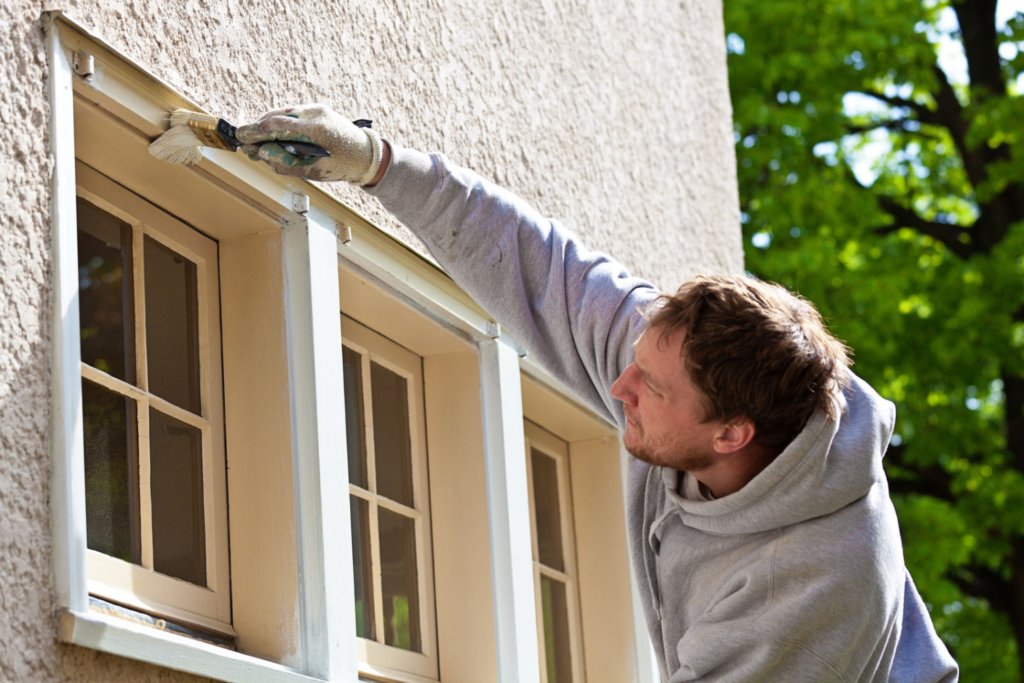
The danger with lead is not the solid paint on the wall. It is the lead dust and paint chips that scraping and sanding create. When you sand or scrape an older painted surface, you release fine lead paint dust into the air and across the floor, and that dust is the real source of exposure to lead during any renovation. Peeling or chipping paint on the outside of an older home works the same way, shedding paint flakes that carry lead into the soil and the house.
Who Lead Exposure Affects Most in the Home
Lead exposure affects everyone, but it hits some people harder. Young children and pregnant women face the greatest risk because even small amounts of lead can affect a child’s brain and nervous system and lead to hearing and speech issues. People ingest lead most often by breathing lead dust or touching surfaces where it settles. The Centers for Disease Control notes there is no safe blood lead level in children, which is why preventing exposure matters more than cleaning it up later.
Paint Testing and the EPA Rules Before a Repaint
You do not have to guess whether your house has lead paint. Testing answers the question, and federal rules shape how the work proceeds once it does.
How Paint Testing Confirms What’s Under the Surface
Paint testing is the first sensible step before any work on an older home. Lead test kits from local hardware stores can give a quick read, but a certified lead-based paint inspector or risk assessor gives a far more reliable answer and can identify which surfaces contain lead and at what levels. That information helps you and your painter plan the repaint around what the home actually holds rather than a guess.
What the EPA’s Rules Mean for Renovating an Older Home
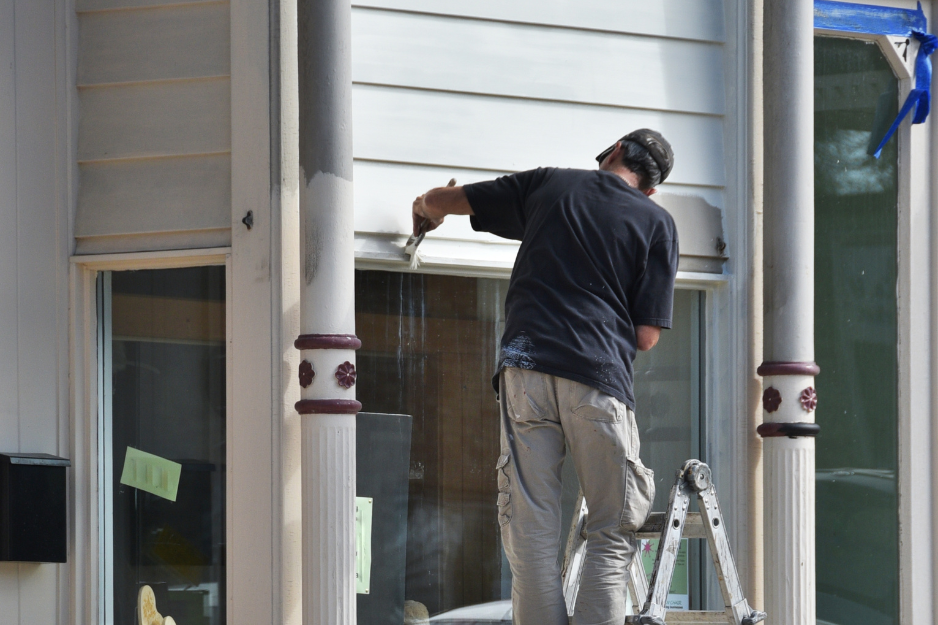
The EPA’s Renovation, Repair and Painting Rule covers exactly this situation. Any contractor who disturbs painted surfaces in a home built before 1978 must be certified and must follow lead-safe work practices. For a homeowner renovating an older home, this is why the painter’s credentials matter as much as the color. Hiring a certified professional, rather than treating it as a DIY job, keeps the work within the rules and keeps dangerous lead dust under control, long before the first coat of fresh exterior paint goes on.
How a Lead-Safe Repaint Protects Your Home
A lead-safe repaint is not complicated when the right people handle it. The goal is simple: keep the lead sealed and the dust contained from start to finish.
Lead-Safe Prep, Containment and Cleanup
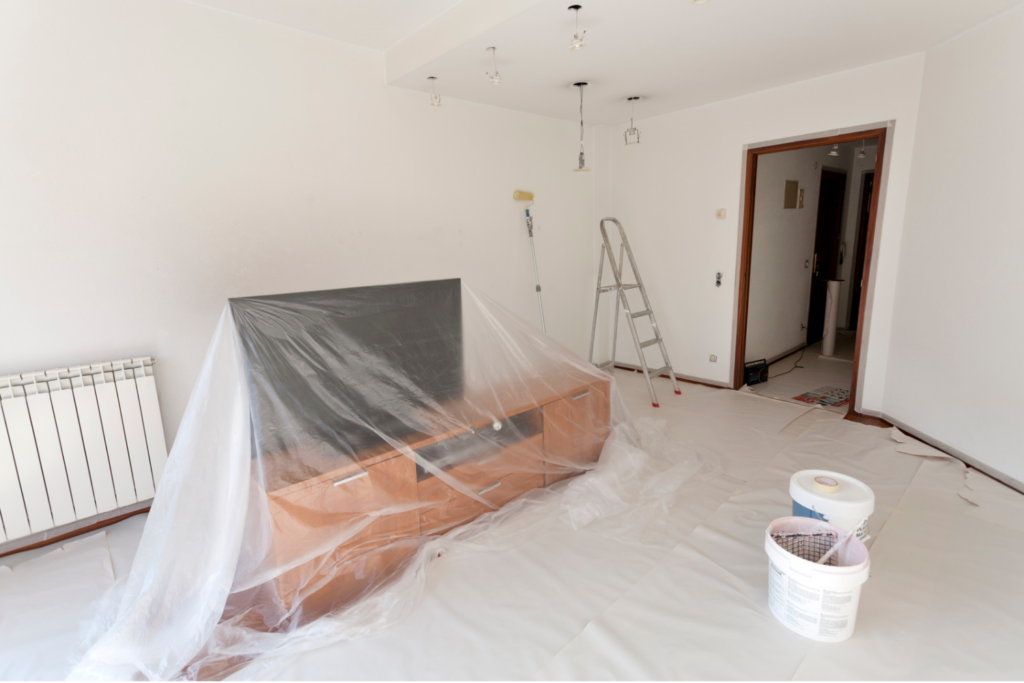
Lead-safe work means sealing off the area, controlling dust instead of spreading it, and avoiding dry scraping and open sanding that create large amounts of lead paint dust. Crews use HEPA equipment and clean up thoroughly so no paint and dust linger once the job ends. In some cases, full lead abatement is the right call, but for most repaints, careful containment during ordinary drywall and surface repair is what keeps the home safe.
A Fresh, Safe Finish That Makes Your Home Whole Again
Once the older surfaces are stabilized and properly prepped, fresh coats go on over a clean, sound base. The lead stays sealed where it belongs, and the new finish holds up against Golden’s intense sun and the shifting Front Range weather that wears exterior paint down. The result is a repaint that makes your home look new and keeps the people in it safe, which is exactly what an older Golden home deserves.