Why Broomfield Fences Need Fence Painting and Staining Before Snow Season
Weather records from nearby Boulder and Denver put the area’s first measurable snow around mid-October, and the first freeze about ten days earlier. That leaves Broomfield fences a short window before the long stretch of snow, sun, and thaw that follows. A fence that starts winter with a worn coating, or none at all, soaks up moisture the whole time. A fence’s age matters less to its longevity than whether it gets a durable coat before cold weather sets in. The window to stain a fence properly closes quickly once fall arrives.
What a Broomfield Winter Does to an Unprotected Fence
Colorado winters rarely stay frozen. Snow falls, the sun comes out, the snow melts, and the temperature drops again overnight. That cycle repeats throughout the season, and bare wood takes damage every time.
How Moisture Gets Into Bare Wood and Freezes Inside It
Snow drifts against the bottom rails and posts, and the meltwater sits there for days. On sunny afternoons, it melts and soaks into the wood grain. Overnight it freezes and expands inside the fibers. Over a winter, that expansion splits fence boards, opens cracks along the end grain, and warps and cups boards. Wood that holds water also invites rot, which usually starts at the post bases and the lowest rail. A fence in a low corner of the yard, or next to a downspout, often has a drainage problem that speeds up the damage.
Why Summer Sun Leaves Fence Boards Ready to Crack
Broomfield sits at 5,344 feet, so the sun hits harder than most homeowners expect. Months of direct sunlight dry the wood, fade its color, and break down whatever finish remains. By September, many fences look gray and feel rough. They often have loose boards and thin spots where the old coating has worn away. Dry, exposed wood like this absorbs winter moisture quickly, so summer damage sets the stage for winter. The same strong UV and big temperature swings explain how Front Range weather wears down every outdoor surface, not just fences.
Why the Weeks Before Snow Season Matter So Much
Timing affects a fence finish as much as the product does. Fall is the last stretch of weather that lets a coating bond properly with the wood.
The Temperatures a Fence Stain Needs to Penetrate and Cure
A fence stain needs moderate temperatures and dry weather to penetrate the wood and cure. Most stain manufacturers recommend applying above 50 degrees, and many product labels call for 1 to 3 dry days before any rain or snow, depending on the formula. Once nights turn cold, stain stays on the surface instead of soaking in, and it doesn’t bond well. A warm, dry September afternoon ensures maximum absorption before the first freeze arrives.
Why New Wood Should Not Face Its First Winter Bare
A fence installed over the summer leaves new wood fully exposed. Pressure-treated lumber often needs several weeks to dry before it accepts stain, and a summer install usually reaches that point around September. Once the wood is dry, a first coat protects the boards before their first winter. Leaving new wood bare until spring lets graying, cupping, and cracking start right away.
Choosing Between Paint and Fence Stain Before Winter
Paint and stain both protect your fence, but they work differently. The right choice depends on the fence materials, the condition of the boards, and the look the homeowner wants.
How a Penetrating Stain Protects the Wood From the Inside
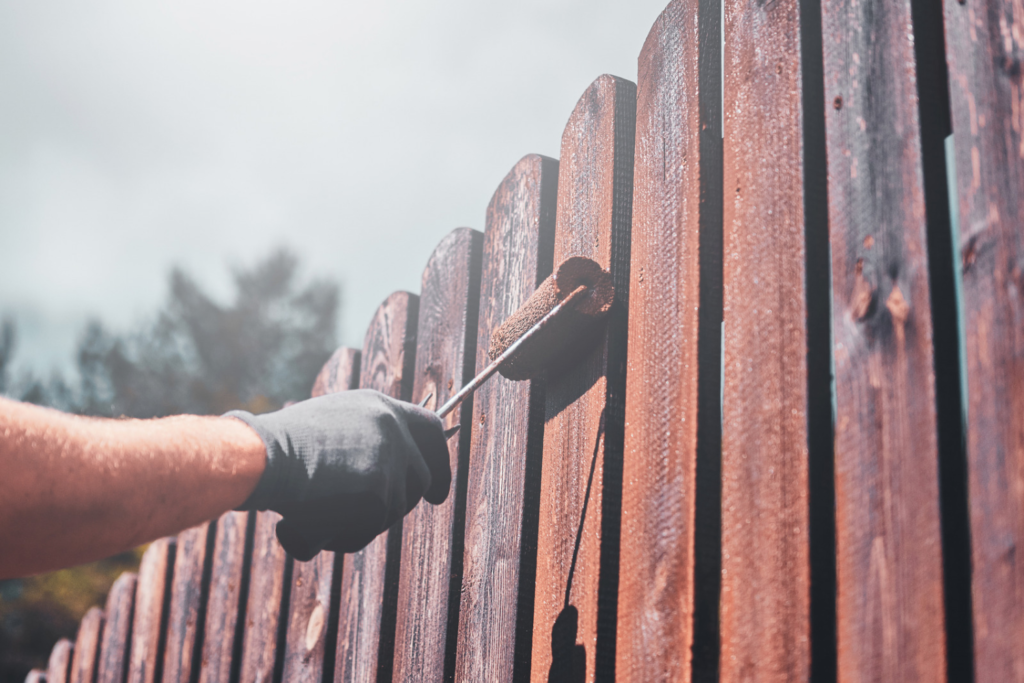
Wood stains soak into the fibers instead of forming a film on top, so they can’t peel the way paint can. A semi-transparent stain shows the natural wood grain and adds enough pigment to slow UV damage. More heavily pigmented stain colors block more sunlight and last longer between coats. Oil-based formulas penetrate deeply into cedar and pine, which suits a climate that freezes and thaws often. The stain stays flexible, so it moves with the wood instead of cracking.
When Paint Makes the Better Choice for a Broomfield Fence
Paint suits older fences that already have paint on them, fences with mismatched boards, and properties where the fence should match the home’s trim color. It gives a solid, even finish and full coverage. The tradeoff is that paint sits on the surface as a film. It needs careful prep, so it bonds well and doesn’t peel after the spring thaw. Vinyl fences aren’t part of this decision at all, since they only need cleaning, not a coating.
What Separates a Premium Fence Finish From a Quick Coat
Two fences can get the same product and end up with very different results. Prep, application, and attention to weak spots decide whether a finish lasts one winter or several.
How a Proper Seal Keeps Protection Working Year-Round
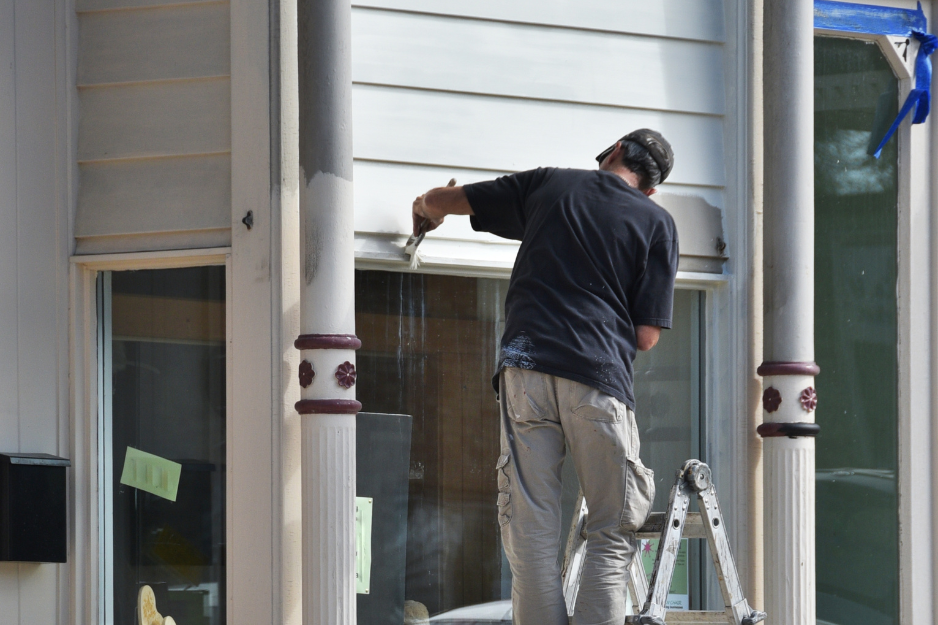
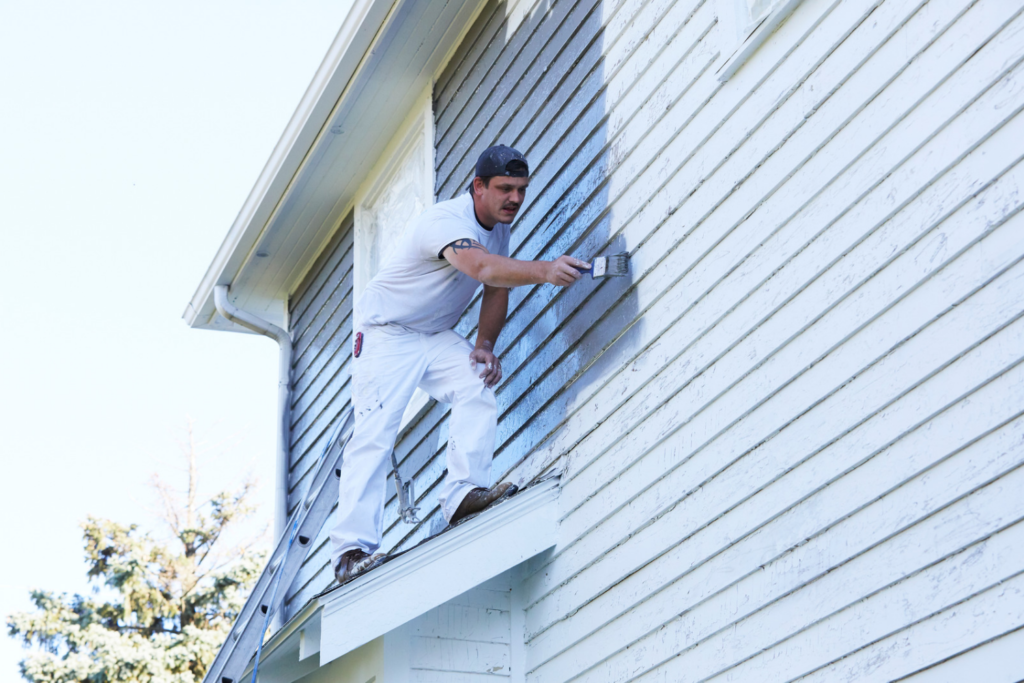
A premium fence finish starts with prep. Crews pressure wash away mildew and graying, sand rough areas, and repair or secure loose boards before any coating goes on. That prep helps the coat bond tightly to the wood. Careful application avoids lap marks and gives every board an even finish. The end grain, post tops, railing, and the bottom edges that hold water need the most attention, because those spots fail first. A high-quality sealant or stain applied this way keeps working year-round, through snowmelt, spring rain, and summer sun. The same level of craftsmanship separates professional fence staining services from a quick weekend coat. The same prep matters for a deck floor, which takes even more foot traffic and standing snow than upright fence boards.
Regular maintenance helps too. A yearly inspection catches small problems early and helps extend the life of both the finish and the fence. Restaining frequency depends on sun exposure, wood type, and the product used. Painting services across the region see the same thing every fall: the dry, mild weeks book up fast.
A fence finished before snow season starts winter with its weak spots sealed and its wood protected. That timing makes the difference between a fence that needs repair in April and one that keeps looking great for years. For homes across Broomfield, a fall refresh protects the fence’s durability, the yard’s appearance, and the property’s curb appeal. It also gives peace of mind before the first storm. A long-lasting finish helps keep your fence in good shape and adds years to its lifespan.