What Longmont Homeowners Should Know About Trim and Fascia Painting Before Winter
Many homeowners judge their paint by the siding. The joints around windows and along the roofline often tell a different story. Trim and fascia have more seams, edges, and exposed ends than flat walls, so water gets into a home’s exterior most easily there. Before the first freeze, the weather still gives paint the dry, mild days it needs to cure. That makes fall one of the best seasons to paint before winter arrives. If you’re wondering about the best time to paint your home’s trim, the answer is soon. A homeowner who waits until spring leaves exposed wood facing the long winter.
Why Trim and Fascia Face Harder Weather Than the Rest of the Siding
Siding and trim share the same wall, but the trim gets a rougher deal. It has corners, edges, sills, and seams, and every one of them gives water a place to collect or slip in. Sun heats trim and fascia directly, so the wood expands and contracts with every temperature swing. Each movement puts stress on the paint and the caulk.
How Snowmelt and Gutter Overflow Soak the Fascia Boards
Fascia boards sit right behind the gutters at the edge of the roof. When snow melts on the roof and refreezes at the eaves, meltwater can back up and spill onto the fascia. Clogged gutters do the same thing in every storm. Ice can also bend gutters or pull them away from the boards. Peeling paint on fascia often means the boards stay wet, not just that the paint is old. Over time, that winter moisture can turn into moisture damage along the gutter line.
What Bare Wood Around Windows Absorbs in a Longmont Winter
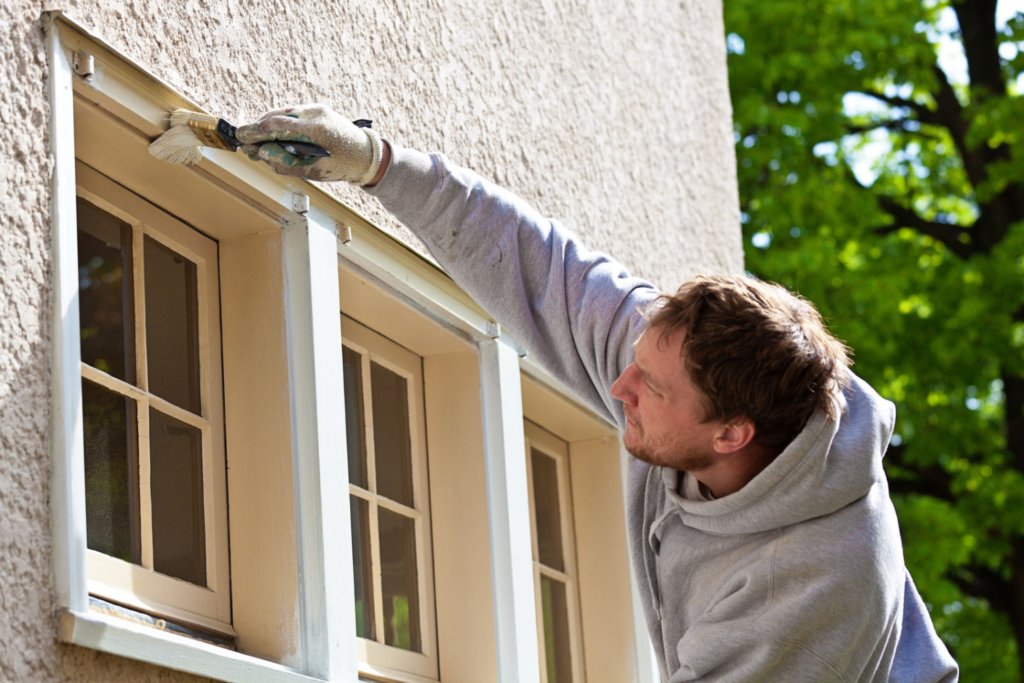
Window sills and trim joints collect rain and snow. Once paint pulls back from those spots, the bare wood absorbs water easily, especially at cut ends. When temperatures drop below freezing, that water turns to ice inside the wood fibers. Gaps around windows also let water reach the framing behind the trim, where nobody sees it until spring.
The Signs of Paint Failure to Look for This Fall
Fall gives you the clearest look at a home’s exterior before snow covers anything. A walk around the house, with an eye on the siding and trim, shows most of the signs your exterior needs attention.
When the Paint Is Peeling, Cracking or Chalking on the Trim
Peeling paint and loose flakes on the sills mean the paint has lost its grip on the wood. Cracks along joints show where the trim moves more than the paint can flex. Chalk, the powdery residue that rubs off on your hand, forms when UV light breaks down the paint’s binder and leaves the pigment behind. Once the paint starts peeling, water reaches the wood behind it.
Why Failed Caulking Around Windows Lets Water Behind the Paint
Caulk fills the joints between trim, siding, and window frames, and it stretches as the house moves. Over time, it shrinks, cracks, and pulls away. Failed caulk around windows and doors lets water slip behind the paint. That often explains the peeling paint right next to it.
How Blistering and Bubbling Point to Moisture Behind the Paint
Bubbles in the paint often mean moisture got behind the paint and pushed it outward. Blisters tend to appear around windows or where a roof meets a wall. The blister is only the symptom. The real problem is wherever the water gets in.
What Soft or Swollen Wood Under the Trim Paint Means
If trim feels spongy, looks swollen, or has darkened under the paint, it is already holding moisture. Wood like that may hide rot. A painter needs to check the boards and repair any damaged sections before new paint goes on. Fresh paint over wet wood only traps the problem inside.
Why Fall Is the Best Season for Exterior Painting on Trim
Fall suits exterior house painting because days stay dry and mild before the freezing nights arrive. Sherwin-Williams warns against painting in hot sun because the paint dries too quickly, and cold weather slows curing. Fall sits between the two, and the same balance explains why timing an exterior paint project matters for the whole house.
The Weather an Exterior Paint Job Needs to Cure
Paint needs a dry surface and temperatures within the range the product allows. Those conditions have to last until the paint cures, not just while it goes on. Sherwin-Williams rates several of its exterior paints, including Duration and SuperPaint, for use down to 35°F. Its guidance also says traditional latex paint needs temperatures above 60°F to cure properly. Dew, rain, or frost on paint that hasn’t cured can cause problems, so humidity and the overnight forecast matter as much as the afternoon high. Paint products vary widely, so painting experts compare each label against the forecast.
What Happens When You Wait Until Spring
If you wait until spring, months of snow, freezing and thawing, and wind work on every open joint. Small patches of bare wood can soak up moisture all winter. A simple fall paint job can turn into repair work by spring. Some homeowners switch to interior painting during winter, and that work suits the colder months. But interior and exterior jobs solve different problems, and indoor work does nothing for trim that’s taking on water outside.
How Fresh Trim and Fascia Protect Your Home and Its Curb Appeal
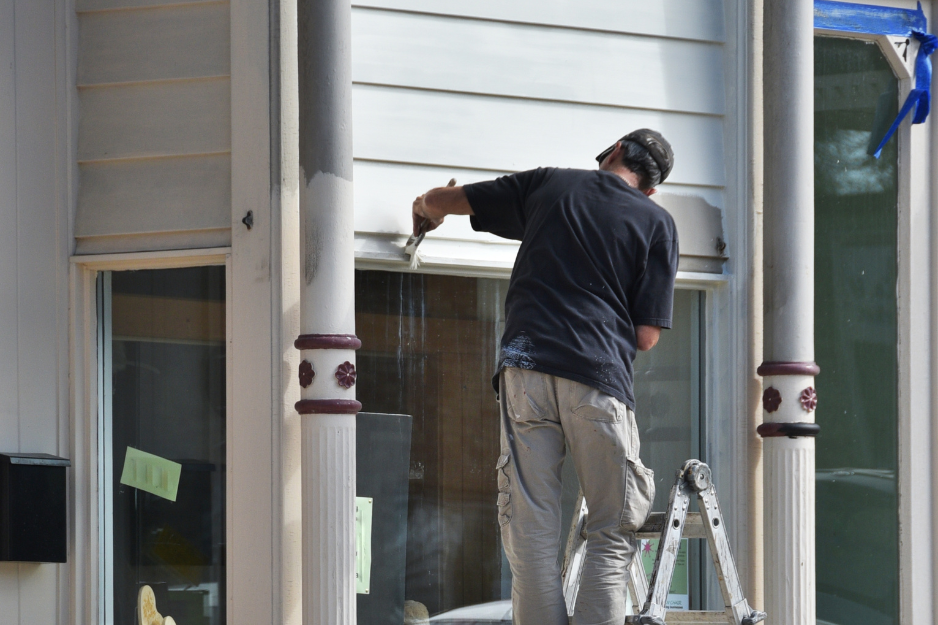
A fresh coat of paint on trim and fascia seals the most exposed parts of a home’s exterior. Before the new paint goes on, professional painters scrape loose paint, prime bare wood, and replace failed caulk. Quality exterior paint over well-prepared wood keeps water out and slows sun damage, which matters even more given the Front Range’s harsh weather. Trim also frames the siding, windows, and doors, so it shapes much of your home’s curb appeal. A home is ready for winter when its joints are sealed and its wood is covered, and a fall repaint keeps the trim looking sharp in spring.